
About 1m
Building the risk operating system for Healthcare
A letter from our co-founders
After dedicating our careers to serving healthcare organizations, one thing has become abundantly clear: healthcare leaders are navigating an increasingly complex landscape. They are adapting to a rapidly evolving industry and confronting emerging threats, all while striving for financial sustainability. Despite their resilience, many leaders lack the specialized tools necessary to understand, quantify, and manage the unique risks in healthcare.
Healthcare leaders deserve more. They deserve a platform purpose-built for the demands of healthcare, one that is accessible, intuitive, and capable of supporting their most critical decisions. They deserve a solution that helps them identify emerging threats early, translate uncertainty into measurable exposure, and take proactive steps to mitigate risk. Above all, data and analytics should be at the core of this work, so risk can be evaluated with the same discipline as any other strategic or financial decision.
We are committed to transforming risk management from a defensive function into a value driver, one that supports better, more informed decision-making across the organization. We believe this requires moving beyond qualitative frameworks toward a more rigorous, quantitative understanding of risk, bringing structure, comparability, and clarity to complex environments. We also believe risk cannot be managed in isolation. It must be meaningfully connected to Finance and Strategy, so leaders can understand how uncertainty shapes performance, tradeoffs, and long-term outcomes.
In April 2022, we set out to build this platform. Our mission is simple: to create a new data-driven standard for risk management in healthcare. We are proud to work closely with our healthcare organization partners, collaborating to build technologies that meet the realities of the industry and the expectations of its leaders.
We are deeply grateful to our clients for their trust and partnership on this journey. Their feedback, insights, and real-world challenges are what drive us forward.
Chris and Jeff
Co-Founders, 1m

Chris Giuliano
Co-CEO & CTO

Jeffrey Ellis
Co-CEO


Our purpose
Mission
To establish a data-driven standard for understanding and managing risk in healthcare.
Vision
A healthcare industry where risk is measured, understood, and embedded in financial and strategic decision-making.
Operating principles
Clarity over complexity
Healthcare is already complex. We believe our responsibility is not to add to that complexity, but to bring clarity where it matters most: helping leaders understand risk, tradeoffs, and implications without oversimplifying reality.
Rigor earns trust
In healthcare, credibility is built through rigor. We approach risk with analytical discipline, thoughtful structure, and a commitment to quantitative understanding, because important decisions deserve more than intuition alone.
Partnership, not prescription
We do not believe in imposing frameworks. We work alongside healthcare leaders, learning from their context and constraints, and building solutions that reflect how decisions are actually made.
Integrity in high-stakes decisions
Healthcare decisions carry real consequences. We hold ourselves to a high standard of integrity in our analysis, our recommendations, and our relationships, because trust is essential when the stakes are high.
Team
Our team brings deep experience in enterprise risk management, healthcare finance, and software engineering. We have spent our careers partnering with healthcare systems and understand the constraints executives face. Credibility comes from judgment, not credentials.
-
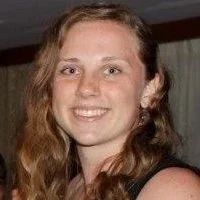
Alanna Todd
Senior Engineer
Backend Lead, Tech Infrastructure,
Tech Integrations -

Alicia Hetrick
Senior Engineer
Frontend Lead,
Product -

Andrew Ryan
VP, Infrastructure & CISO
Cloud Engineering, DevOps,
Cybersecurity -

Chris Giuliano
Co-CEO & CTO
-
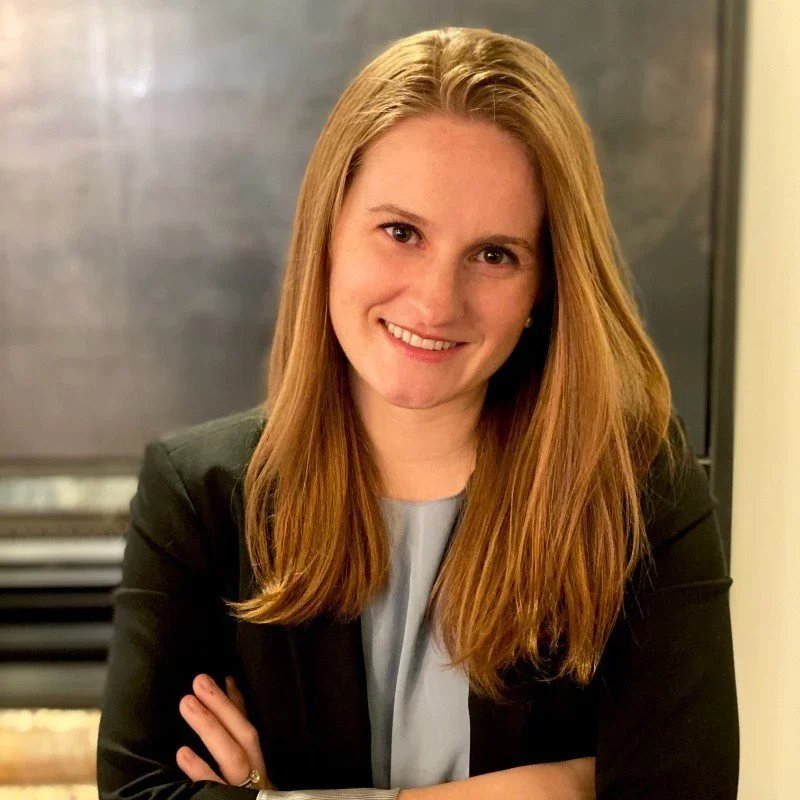
Christine Thompson
Senior Product Manager
Product Lead,
UI/UX -

Eric Pfahl
Principal Scientist
Analysis Lead, AI, R&D,
Data Pipelines -

James Donovan
Senior Engineer
Backend, full-stack -

Jeffrey Ellis
Co-CEO
-

Joshua Melnick
Account Executive
Business Development,
Account Growth -
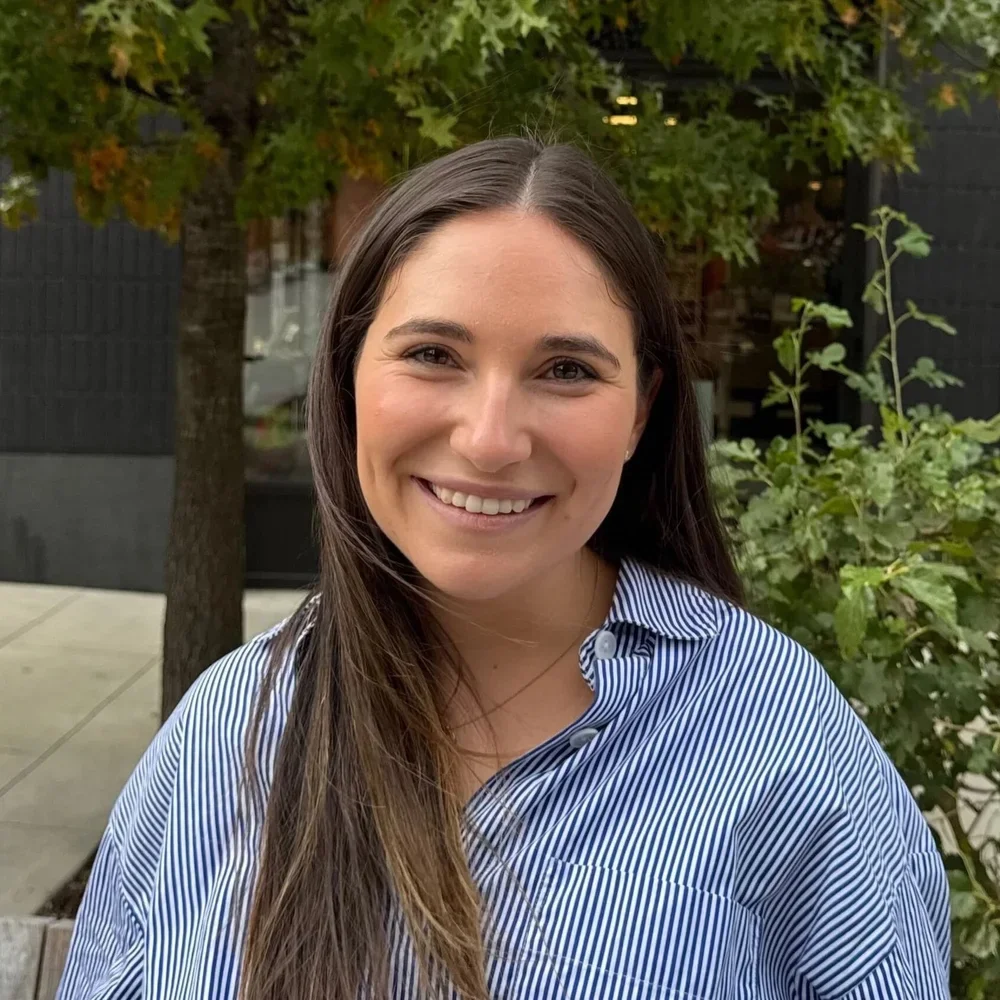
Juliet Pesner
Manager, Client Strategy
Client Relationships,
Client Delivery -

Kate Giuliano
Marketing & Design
Marketing Operations,
Graphic Design, Web Development -

Lulu Gebbie
Client Delivery Associate
Client Experience,
Delivery Support -

Mia Russo
Client Delivery Associate
Client Experience,
Delivery Support -

Skip Kilraine
Senior Engineer
Backend, infrastructure, AI -

Vidya Keshavan
Senior Product Designer
Product Design,
UI/UX
Security and Compliance
We take the security and privacy of our clients' data seriously, with controls designed for healthcare organizations.
SOC 2 Type II
Certified
HIPAA
HIPAA-aligned
Press and Recognition
-
October 20, 2025
1m named to CB Insights’ annual Digital Health 50, their list of the top 50 most promising private digital health companies across the globe.
-
July 15, 2025
Published by 1mOn July 4th, the One Big Beautiful Bill Act (OBBBA) was signed into law, triggering the most disruptive policy shift in U.S. healthcare finance in a generation.
$1 trillion in Medicaid cuts. 11.8 million members procedurally disenrolled. ACA subsidies set to expire. And hospitals absorbing new tax burdens, all while capital markets swing by double digits.
This kind of volatility isn’t the exception anymore. It’s the new normal. And most planning frameworks weren’t built for this kind of tempo.
That’s why we created Resilient by Design, a new decision-making framework to help healthcare CFOs, strategists, and risk leaders respond faster, smarter, and with greater clarity.
This 10-page guide explores:
How to build a live risk register that actually informs action
Quantifying risk in financial terms, not just labels
A 5-step model for integrating risk into strategy decisions
-
March 11, 2025
View the source article here: Healthcare Business Today
The Impact Of New Healthcare Policies On Risk Management In Health Systems
Daniel Casciato
March 11, 2025
Updated on March 11, 2025Healthcare providers across the U.S. are bracing for significant changes as new policies emerge from Washington, D.C. The evolving landscape is forcing healthcare systems to reassess their financial and operational risk strategies. With proposed Medicaid and Medicare cuts, rising drug costs, and shifts in coverage, the need for proactive risk management has never been greater.
Jeff Ellis and Chris Giuliano, co-founders of 1m, a healthcare risk management platform, have spent years working with major healthcare systems. They see firsthand how healthcare organizations struggle to adapt to these changes.
“There’s a transformative shift underway from reactive to proactive risk management,” says Ellis. “The velocity of change is accelerating, and providers need systems in place to rapidly translate new threats into strategic insights.”
Short-Term Challenges: Financial And Operational Strain
The proposed policy shifts being discussed in Washington have the potential to shake the financial foundation of many healthcare providers. In the next 12 to 24 months, changes such as new Medicaid eligibility requirements could leave as many as 15 million Americans without coverage, leading to a surge in uncompensated care. Simultaneously, alterations to Medicare’s drug price negotiations could result in up to $10 billion in lost savings, increasing pharmaceutical costs for hospitals by as much as $2.5 billion annually.
“The reality is that healthcare organizations are already operating on razor-thin margins,” Giuliano explains. “With revenue and expenses moving in opposite directions, identifying risks early and developing mitigation strategies will be critical.”
Beyond financial concerns, inflationary pressures, labor shortages, and cybersecurity threats add complexity to an already challenging environment.
“Healthcare systems need to respond faster,” says Ellis. “They must integrate internal risk identification systems, align teams, and use benchmarking data to understand how peers react to similar threats.”
Medium-Term Risks: The Consequences Of Policy Decisions
In the next three to five years, healthcare systems may face even more significant financial strain. Congress has proposed $880 billion in Medicaid cuts over a decade, with hospitals expected to bear nearly half the costs. Additionally, shifting patients from traditional Medicare to Medicare Advantage plans could reduce patient access, further impacting hospital revenue streams.
“All these changes will force healthcare organizations to rethink their long-term strategies,” says Giuliano. “We may see smaller hospitals, especially those with a high Medicaid patient mix, merging with larger systems to stay afloat. Others will need to adopt AI and automation to optimize operations and cut costs.”
With funding for public health programs also at risk, the ability of hospitals to prepare for and respond to health crises could be significantly hampered.
“We saw during the COVID-19 pandemic how limited risk visibility and a lack of real-time data strained healthcare systems,” Ellis notes. “Now, there’s a growing realization that collective intelligence—sharing risk assessments and mitigation strategies—can help providers respond more effectively.”
The Shift To Proactive Risk Management
Many healthcare systems have traditionally relied on manual methods, such as spreadsheets and email chains, to track and assess risk. This siloed approach has led to inefficiencies and inconsistencies across departments. Giuliano describes the challenge: “There is no common language in risk management. Even within a single health system, different teams use different frameworks, leading to fragmentation.”
Healthcare organizations are adopting new technologies and strategies to modernize risk management to combat these inefficiencies.
“We’re seeing a shift toward risk quantification—putting real dollar values on potential threats,” says Ellis. “By integrating financial risk models, providers can prioritize their response strategies based on data rather than gut instinct.”
One major development in this space is the Risk Intelligence Network, a collaborative initiative spearheaded by Ellis and Giuliano.
“We’re bringing multiple health systems together to assess risks collectively,” Giuliano explains. “By pooling data and insights, we can provide a standardized risk assessment that healthcare organizations can rely on.”
Balancing Risk Mitigation With Patient Care
As healthcare systems navigate these uncertainties, they must balance risk management efforts with their core mission: delivering quality patient care.
Ellis believes that an effective risk mitigation strategy enables more significant investment in healthcare services. “If a hospital can rapidly detect, assess and quantify the magnitude of something like Medicaid cuts on revenue, they can develop strategies to offset those losses—whether through operational efficiencies, investment in profitable service lines, or other financial adjustments.”
Giuliano adds that making risk management more accessible and cost-effective will be key. “Many healthcare systems can’t afford large enterprise risk teams. Standardizing frameworks and leveraging technology can make risk management cheaper and more efficient for everyone.”
The Future Of Healthcare Risk Management
Looking ahead, Ellis and Giuliano believe healthcare organizations must embrace three fundamental changes to improve risk management:
1. Adoption of standardized risk assessment frameworks – According to Giuliano, “we need a common language for risk management.”
2. Integration of data-driven decision-making – “Applying analytics to risk management, just as we do in other areas of healthcare, will transform how we approach challenges,” Ellis says.
3. A collaborative approach to risk intelligence – “By building a national healthcare risk dataset, we can equip providers with better insights and strategies to navigate uncertainty,” Giuliano notes.
The challenges facing healthcare systems are significant, but by rethinking risk management, embracing technology, and fostering collaboration, providers can build resilience in the face of uncertainty.
“The industry is at a turning point,” Ellis concludes. “Those who invest in proactive, data-driven risk strategies will be best positioned to thrive.”
-
February 13th, 2025
NEW YORK, Feb. 13, 2025 (GLOBE NEWSWIRE)
Initiative equips providers with critical data and intelligence to navigate shifting federal policies on healthcare funding, reimbursement and eligibility.
More than fifteen health systems engaged in the first week
1m, a data and analytics technology company serving the risk management needs of healthcare organizations, today announced the launch of a national standardized risk assessment to help healthcare providers stay ahead of critical changes in federal healthcare policy. The initiative will include leading healthcare providers across the country to provide an objective and data-based analysis of emerging risks and their potential impact. More than fifteen health systems are already engaged and preparing to participate.
The assessment will be made available to participating healthcare providers. Interested parties can contact intelligence@1mplatform.com to inquire about participating.
"Health systems are scrambling to assess the flurry of policy shifts and emerging risks independently,” said Chris Giuliano, co-CEO and CTO of 1m. “We’ve seen this reactive cycle before—in response to COVID-19, cybersecurity threats, and inflation. It’s time to break the cycle. This intelligence network will standardize risk assessments and help providers align on responsive strategies.”
1m will survey a consortium of health systems to create an anonymized national healthcare risk dataset. That data will be used to create standardized reports and executive-ready guidance for risk managers, business leaders and boards. The initial assessments will focus on the recent policy changes proposed by Congress and the new administration, and their potential impact on providers, e.g.:
Medicaid funding cuts and eligibility requirements
Medicare funding cuts and drug pricing negotiations
Reductions related to the Affordable Care Act (ACA)
Inflationary pressures as a result of new tariffs
Cuts in funding for public health agencies
Impact of immigration policy on staffing
All participating health systems will have access to the in-depth, data-driven outputs, including:
Consensus risk assessments
Information on risk quantification methods
Benchmarking insights showing the distribution of responses across peer organizations
A catalog of common mitigation strategies for each risk
Highlighted expert insights summarizing the most valuable qualitative feedback
Executive and Board-ready presentations summarizing results
The option for 1m to customize the results for their organization
The initial survey will be conducted during the month of February, with results available to participating organizations in early March.
1m recently raised a Series A financing, announced in December 2024, which included participation from five leading healthcare systems.
View on Global Newswire: [Press Release Link]
-
December 13th, 2024
What You Should Know:
– 1m, a data and analytics technology company focused on healthcare risk management, has announced a $10 million Series A financing round led by Banner Health, with participation from prominent healthcare organizations like Cleveland Clinic and Stanford Health Care.
– This investment will accelerate 1m’s mission to empower healthcare systems with advanced risk management solutions.
Addressing the Complexities of Healthcare Risk
Healthcare providers face unique challenges in managing risk due to factors such as complex reimbursement models, stringent regulatory requirements, and the high stakes associated with patient safety and data security. Traditional risk management systems often fall short in addressing these complexities, leading to fragmented approaches, increased costs, and potential gaps in risk assessment.
1m’s Innovative Platform
1m has developed a SaaS-based platform specifically designed to help healthcare systems manage financial, operational, and regulatory risk. The platform leverages robust data, analytics, and monitoring tools to provide:
Comprehensive Risk Assessment: End-to-end workflow tools streamline risk assessment processes and reduce administrative burdens.
Real-time Threat Detection: Continuously updated, healthcare-specific risk datasets help identify and flag emerging threats.
Data-Driven Decision Support: Quantifies operational and financial risks, integrating seamlessly with long-term strategic planning.
Enhanced Leadership Engagement: Provides leadership-friendly dashboards with clear risk management program outputs.
Proactive Risk Mitigation: Offers built-in risk mitigation support through proprietary data monitoring and anomaly detection tools.
“Value-added risk management capabilities shouldn’t be a luxury reserved for large organizations,” said Chris Giuliano, co-CEO and CTO of 1m. “Affordability is key, and while automation helps, it’s not enough on its own. The solution lies in enabling risk management teams to co-own financial sustainability alongside the broader organization. That’s why we’re integrating data monitoring and anomaly detection into the risk management function—tools designed to drive margin improvement.”
-
December 12, 2024
Read on Becker’s Hospital Review
Banner Health, Cleveland Clinic invest millions in analytics startup: 7 notes
By: Giles Bruce
Thursday, December 12th, 2024Phoenix-based Banner Health and Cleveland Clinic are investing in a startup that uses data analytics to stratify and predict financial and other risks for health systems.
Here are seven things to know:
1. Banner Health led the $10 million series A financing round Dec. 12 for risk management startup 1m.
2. The funding also included Cleveland Clinic, Palo Alto, Calif.-based Stanford Health Care, Bend, Ore.-based St. Charles Health System, and Urbana, Ill.-based Carle Foundation.
3. The health systems are already using the platform, which maps out risk based on measures such as government regulations, cybersecurity, workforce issues, revenue cycle challenges, and competition from traditional and nontraditional players alike. Health systems can, say, plug in policy proposals from the incoming presidential administration and see how each would affect the bottom line.
4. The output allows the organizations to adjust their strategies accordingly. “A tool like this allows you to really focus on categories of risk that have the most potential impact to your future going forward,” Scott Nordlund, executive vice president and chief strategy and growth officer of Banner Health, told Becker’s. “Take cyber, for instance. It’s a massive risk to us. So now we’re going to do scenario planning around how we make sure we invest appropriately to protect ourselves. A lot of that in the past was more of a gut feel.”
5. Data platforms like 1m are changing the way health system C-suite leaders do business. “There’s no question that the emergence of tech-enabled solutions and the power of AI and RPA and robotic processing present mitigation opportunities and mitigation strategies,” Dennis Laraway, executive vice president and CFO of Cleveland Clinic, told Becker’s. “It’s an effort to bend the cost curve, but it’s also an effort to be far more efficient, far more agile in the operation, and if done right, the technology and the repetitiveness of the technology can actually be more accurate and effective than the risk of human error.”
6. Banner Health and Cleveland Clinic executives joined the 1m board.
7. The company was founded in 2022 by two former Goldman Sachs healthcare investment bankers.
-
December 12, 2024
Financing includes substantial participation from prominent health organizations—Banner Health and Cleveland Clinic
1m sets the standard in risk management for healthcare systems with first industry-specific offering
NEW YORK, December 12, 2024 – 1m, a data and analytics technology company serving the risk management needs of large healthcare organizations, announced today that it has raised $10 million in Series A financing. The round consists of $7.3 million in venture funding and $2.7 million in converted securities. Funding has been led by Banner Health, with participation from Cleveland Clinic, Stanford Health Care, St. Charles Health System, Carle Foundation, and First Derivative Capital. Alongside the financing, representatives from Banner Health and Cleveland Clinic will be joining the 1m Board.
Led by former Goldman Sachs healthcare investment bankers Jeff Ellis and Chris Giuliano, 1m has developed a SaaS-based platform purpose-built to help healthcare systems manage financial, operational, and regulatory risk. The platform leverages robust data, analytics and monitoring tools that integrate seamlessly into existing risk management workflows to deliver timely, high-ROI decision support and anomaly detection.
The Series A funding will be used primarily to support the company’s go-to-market efforts, hire more technical talent, and expand its intellectual property.
“Financial sustainability is a critical challenge for healthcare systems dealing with razor-thin operating margins and rising costs. These organizations also face significant threats in the form of cyber risks, workforce shortages, extended revenue cycles, and growing regulatory requirements,” said Jeff Ellis, co-CEO of 1m. “We’re providing healthcare systems with a comprehensive and consistent view of risk across their organizations so that leaders can take effective action faster.”
Healthcare providers face challenges with risk management for a variety of reasons. Horizontal systems don’t reflect the specific complexities of the healthcare business model such as complex reimbursement models, high-stakes patient safety and quality requirements, and stringent data privacy and security needs. Risk management activities are also frequently siloed, using legacy technologies and people-dependent processes. As a result, it is difficult to obtain an accurate and comprehensive view of risk across the organization, leading to duplicate efforts, increased costs, and extended cycle times.
“Value-added risk management capabilities shouldn’t be a luxury reserved for large organizations,” said Chris Giuliano, co-CEO and CTO of 1m. “Affordability is key, and while automation helps, it’s not enough on its own. The solution lies in enabling risk management teams to co-own financial sustainability alongside the broader organization. That’s why we’re integrating data monitoring and anomaly detection into the risk management function—tools designed to drive margin improvement.”
1m has designed its platform in close collaboration with leading health systems. It offers a centralized source of truth that unifies enterprise risk, internal audit, and compliance teams into a cohesive risk management program. Specific capabilities include:
End-to-end risk assessment workflow tools, reducing administrative burdens
Continuously updated, healthcare-specific risk datasets to flag emerging threats
Quantification of operating and balance sheet risks and seamless integration with long-term financial and strategic planning
Leadership-friendly dashboards with risk management program outputs to ensure engagement at the highest levels
Built-in risk mitigation support, via proprietary data monitoring and anomaly detection tools
“Our partnership with 1m has allowed us to transform our risk management process, which is key to our strategy for sustainable growth,” said Scott Nordlund, Banner Health Chief Growth and Strategy Officer. “This cutting-edge solution unifies risk activities across the organization. We can foster executive and board engagement, embed risk insights into key decisions, navigate uncertainty and ensure that Banner maximizes its resources for what matters most—patient care.”
“The leadership team at Cleveland Clinic recognizes the value of data-driven insights in guiding our organizational and financial strategies,” said Dennis Laraway, Executive Vice President and Chief Financial Officer at Cleveland Clinic. “The ability to leverage risk-aware analytics provides a quantitative approach to risk management. Looking ahead, the development of a comprehensive healthcare industry risk dataset has the potential to transform our future state, empowering us with the intelligence needed to improve the economics of care.”
Learn more: [Press Release Link]
About 1m
1m is a data and analytics technology company serving large healthcare organizations through a B2B SaaS model. The company is setting the standard for risk management in healthcare, with an end-to-end risk management and data monitoring platform designed for Enterprise Risk, Internal Audit, Compliance, and Finance teams. For more information, visit https://www.1mplatform.com/.
Selected coverage and publications highlighting 1m's work in modern risk management for healthcare.